Showing posts with label Different types of Hearing Aids. Show all posts

Friday, April 29, 2022

Difference between basic and advanced hearing aids

Digitalization has become revolutionary over the past several years. It is transcending its presence in every industry. There is no exception even in the hearing aid industry. For several years, the hearing aid has made the life of the wearer easy through digital hearing aid advancements. Presently, digital hearing aids can do much more than that.

Adding Artificial Intelligence is an added feature that provides the wearer with all the advanced features such as the

Wireless connectivity to Smart Phones, Smart TVs, and other devices.

Minimizing the Background Noises.

enhancement of Battery life.

The basic hearing aid technology wasn’t able to differentiate between the sounds according to the different environments. The use of directory microphones is enhanced hearing from a particular direction i.e if a person is faced in front of the wearer. The directional microphone eliminates the sounds coming from the remaining directions.

Older batteries are not so longing and it is very tough to insert and remove these batteries as they are small in size and also dangerous around kids if they ingest them, countering these problems integrated battery system is provided in digital hearing aid devices which is alike smartphone recharging where the wearer can recharge it overnight and can use it throughout the day.

The increased use of smart devices like smartphones, iPads, and smart TVs has led to easy connectivity of audio to hearing aid devices.

Audiologists can help you understand your hearing profile and find a solution to pick the perfect hearing aid gear for you.

Call us today to Book Your Slot at


Panjagutta: +91 8237037087


Kukatpally: +91 8237037087


Saturday, October 9, 2021

Can Hearing Loss Cause Dizziness

Dizziness & Its Causes

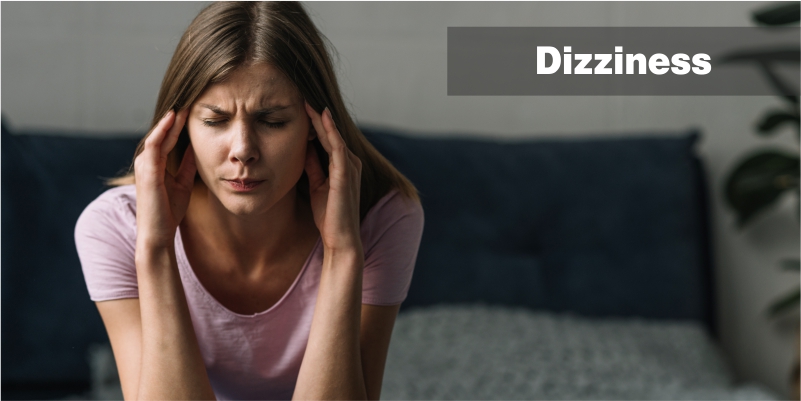
Dizziness is a symptom and characterized or caused by various diseases. It is described as a series of responses such as fainting, vulnerability, unsteady, and sometimes the feeling of spinning or lightheadedness. It affects the sense organs like ears and eyes.


The chief cause is the point in the internal ear where the proper measure is formulated, and some more general reasons for the problems of dizziness are below.


  • An impediment in the inner ear

  • ear infection or ear injuries

  • Alcohol consumption is more than usual

  • Medications or drug usage regularly

  • Migraine

  • motion sickness

  • an unexpected drop in blood pressure

  • anxiety disorders


Can Hearing Loss Result Dizziness


People with hearing loss often notice indications of Vertigo which is very similar to dizziness. However, Vertigo and hearing loss or other disorders don't linger together but attack all of a sudden. The stability system relies on bone, thin membranes, and tissue in the inner ear. So it results in fluctuations and balance problems as well. 


Ménierè's Disease & Inner Ear


Ménierè's Disease is a condition that consequences the vestibular system (which plays a vital role in the sense of balance) and mostly the inner ear. This outcome is the build of fluid, pain and pressure due to the filling in affected area ultimately leading to hearing loss.


When Should I Seek Hearing Care Professionals Appointment


Always consult the Best Audiologists if you notice any symptoms like sudden hearing loss, severe headache, fainting, chest pain, sickness, rapid heartbeat, ear pain, chest pain, and double eyesight. Normally, any hearing loss can be treated with Different Types of Hearing Aids.  Surgery is required only for the cochlea when it got affected by any disease. Also, visit HNR Speech and Hearing if hearing loss becomes or triggers worse. It is linked to brain injuries or trauma. Untreated hearing loss leads to profound and perpetual Vertigo and better to endeavor emergency medical care.

Wednesday, September 22, 2021

How Treating Hearing Loss Helps Your Mental Health?

Does Hearing Impairment Have Connection To Mental Health?

According to advanced studies, hearing loss can make people mentally weak and affect their self-esteem and the inability to hear sounds. We can perceive many differences in both children and adults once they accept suffering from hearing loss, and it seems hard to address or communicate with others.

Persons with hearing loss often cannot engage in discussions, festivities, and social communication. They feel embarrassed to ask others to repeat and give inappropriate answers. They drop connections and can't follow what people are speaking about. In some cases, people with severe hearing loss assume that others are observing or murmuring about them.

What Happens If Hearing Loss Is Untreated?

Untreated hearing loss leads to anxiety, anger, fatigue, social withdrawal, self-isolation, denial and eternally depression. In some cases, neglecting hearing loss may lead to brain tumours and diseases as some head nerves and ear tissues are connected. 

Psychological perspectives of hearing loss: 

Brian Wind says, "Hearing impairments negatively impact both professional and personal life." 

The disappointment of not hearing makes people frustrated, depressed, and they will start social withdrawal.

Also, we can see persons with hearing loss avoid phone calls as they feel muffled and group discussions

and talking. They deprive themselves of connecting with family, friends, or loved ones and ignore going out,

especially in a noisy environment. Furthermore, people will try to stay detached and become less enjoyable.

How Can Hearing Loss Treatment Fix Your Mental Health?

Handling hearing loss can easily relieve a person from an emotional breakdown. Visit the Speech and Hearing Clinic and take guidance from the best hearing care professionals for the diagnosis. Hearing loss is treated with different types of hearing aids up to a maximum extent; unless it is profoundly severe hearing loss, it does not require a cochlear implant surgery. It can decrease the risk of depression and lower the levels of dementia. With hearing aid, people feel independent, experience more effective relationships with their families, and enhance well-being, overall health & quality of life.

Tuesday, September 14, 2021

What is Single-Sided Hearing Loss?

 What Is Single-Sided Hearing Loss?

In other terms, it is also called unilateral hearing loss or one-sided hearing loss. Single-sided hearing loss is the hearing loss in one ear (can be left or right). It can fluctuate from mild to very severe or profound hearing loss and eventually affects the essence of living.


Elements for Unilateral Hearing Loss


Approximately 3% of school-age kids have this hearing loss. There is no so theoretical or practical evidence that single-sided hearing loss is generated only in children. It can cause in both grown-ups and teenagers. Youngsters with UHL (unilateral hearing loss) have a higher probability of social behavior and academic as well as speech difficulties. 


Unique possibilities for holding one-sided deafness are stated here:


  • Hereditary or family history is one of the major reasons for UHL.

  • Having an abnormal formation or functioning of the outer, middle, or inner ear.

  • By injuries to the head or trauma [Traumatic Brain Injury (TBI)]

  •  Kids with syndromes are inclined to single-sided hearing loss, and generally, 1 in 1000 children are born with this hearing loss.

  • Acoustic neuroma

  • Illness, bacterial or viral infections can be a cause.

  • In some cases, maternal illnesses can also affect babies.


Treatment/Diagnosis for Single-Sided Deafness:


In Common, Unilateral hearing loss can be diagnosed by surgical and non-surgical methods as per the hardness and severity. Normally, it is often treated with the help of Different Types of Hearing Aids or hearing implants (available in advance collections such as Programmable Hearing Aids and Bluetooth Rechargeable Hearing Aids). If the child has unilateral critical sensorineural hearing loss, it is necessary to get cochlear implant surgery.


If you identify a sudden UHL, do not neglect such symptoms, and it is better to consult Hearing Aid Centre and seek medical treatment as soon as possible. Get the advice from the Best Audiologists and manage a regular checkup for a good hearing health.

Thursday, August 12, 2021

How To Increase The Life Of a Hearing Aid

Hearing Aid And Its Components:

Hearing Aids consist of a microphone, battery, receiver, flexible printed circuit board, and antenna. A Hearing Aid is a tiny electronic gadget that you wear in or behind your ear.


Different Types of Hearing Aids:


Hearings Aids are now available in different types and styles. The advanced gadgets have enhancements such as Bluetooth Rechargeable Hearing Aids.


1. In-the-ear (ITE) hearing aids


  • Invisible in the Canal Hearing Aid (IIC)

  • Completely in the Canal Hearing Aid (CIC)

  • In-the-canal (ITC) hearing aids

  • Low-profile hearing aids


2. Behind the Ear Hearing Aid (BTE)


  • Receiver in Canal Hearing Aid (RITE)

  • Behind-the-ear with earmold


How To Prolong The Life Of a Hearing Aid?


Habitually, hearing aids are life-changing devices for the people who use them. It is worn daily to participate in conversations. To maintain the quality of the hearing aid, one should take proper care. Here is something that hearing aid users can do.

Change The Batteries: Fresh batteries will make hearing aids work well, as these are one of the most significant components. Remove the batteries if it is not in use for long.

Storing In Safe Place: Avoid extremely hot places. It is good to use a protective case at room temperature. Keep away from pets and children.


Keep Them Clean: One of the important jobs to lengthen your hearing aid's lifetime is to cleanse your hearing aids frequently. It helps in removing dirt, dust, blocked tubes on the battery and microphone.

Evade Moisture: Try to avoid wet places like swimming, showering, work out, etc. it is better to clean immediately if you've been through an unexpected rain.

Avoid Beauty Products: cosmetics can shorten the lifespan of hearing aids. Things like makeup, creams, scents, powders, hair spray, moisturizers, and even lotions can get into the small and delicate portions of your hearing aids.

Sunday, July 11, 2021

Health Related Quality of Life

The social behavior, psychological, physical, and emotional health is represented as Health-Related Quality Of Life. It mainly concentrates on the impact of sensed rate, i.e., people with positive aspects, everyday self-life, and well-being status, have a good quality of life.

HRQoL With Hearing Loss 

Irrespective of age, hearing loss brings many changes to everyday life. People with hearing loss may experience some of these basic issues. 

  • An individual's opinion of their life may turn negative causing frustration

  • May experience frustration and low self-esteem 

  • Avoid discussion and feeling self-conscious

  • Hearing loss causes depression

  • Keeping to themselves and avoiding social events

  • Low in confidence and poor self-image

  • Loss of opportunity due to hearing loss

  • Psychological impact

Ways To Encourage People With Hearing Loss To Enhance Their HRQoL

  • Giving care and making them feel comfortable, especially, the elders struggling with the hearing loss 

  • Talking to the Best Speech Therapy Center

  • Encourage them to use hearing aids as advised by the audiologists.  

  • Supporting them in the workspace 

  • Encourage their participation in the discussion

  • Being considerate and repeating if they require.

Health-Related Quality of Life and Hearing Aids

In plain words, Hearing Aids improve the quality of life more than we assume. Usually, audiologists state that hearing aids function more beneficial despite the hearing loss, and users regain their confidence. We can recognize a notable reduction in both social and emotional consequences. Especially, children perform much better in participating and communication. An ordinary lifestyle with hearing aids is cost-effective as well. The study showed that early diagnosis and effective intervention for age-related hearing loss are always better and can prevent further damage.

Speech Therapy

What exactly do speech therapists do? Speech therapists are trained to deliver various sorts of Speech Therapy to children in order to as...