Showing posts with label best bluetooth rechargeable hearing aids. Show all posts

Saturday, November 5, 2022

Frequent mistakes that new hearing wearers tend to make


Assuming the Hearing Will Instantly Improve

Many people think that their hearing will go back to being 100% normal as soon as they leave the hearing specialist’s office. The process takes time. You will need to get used to having the device in your ear and listening to people again at your routine environment.

The hearing aid can feel slightly discomfort when you start wearing it at first, but over time, you’ll get used to the feeling. A more realistic timeline for drastically improved hearing is about one month – some say they hear better within two weeks. Whatever the case might be, hang in there. It’ll get better soon.


Not understanding How the Devices Work

Don’t assume that you know how your hearing aid works. This is because many modern hearing aids have impressive tech that adapts to various settings and environments. 

They may also come with extra features that connect to your phone, TV, home entertainment system and other appliances in the home. So, learn everything you can about it. Most will come with a manual containing all pertinent information. Study it and maybe even go over it with your audiologist if you’re not sure of something.  

Using the Device without Tracking Improvements

How are you supposed to know if your hearing is getting better or if there are improvements in your hearing if you’re not tracking it? This is why you need to pay attention to how the hearing aid functions and feels in your ear for prolonged time. 

Test the device in as many environments as possible. For instance, if you’re struggling to hear anything in a cozier room, note it down so you can talk to the hearing aid specialist about it at your next appointment. 

Being Honest During the Hearing Test

Your hearing test is for your own benefit. It’s not an examination that you have to impress the analyzer. It’s meant to help assess the current status of your hearing so that you can get the most effective hearing aid device. So, when people aren’t truthful about their hearing problems.

Being Careless with the Device

The composition in a hearing aid is often sensitive. While the manufacturers try to encase them in hard shells so they don’t get broken easily by throwing it around carelessly, dropping it, forgetting to charge the batteries or get spare batteries and not cleaning it properly can damage the device. 

One of the most important contributors to successful hearing aid use is support from loved ones. HNR speech & hearing clinic helps you understand the cooperation and support to your impaired love one. Book your visit today.

Call us today to Book Your Slot

Panjagutta: 8237037087

Kukatpally: 8237037087

Wednesday, October 26, 2022

Communication is the key to a healthy relationship

Day-to-day communication among couples, whether about important matters or daily routine talks are the cornerstone of a healthy relationship. Hearing loss can cause those small but important interactions to be lost. When communication breaks down, frustration creeps in. That frustration can lead to resentment, which leads to further breakdown in communication and intimacy.


Hearing loss can cause a cascade of detrimental effects and negative emotions between partners. Among these:

  • Frustration
  • Loneliness, i.e. the hearing partners feel that they are missing out on companionship
  • Curtailing of social activities, withdrawal from social interaction
  • Decrease in intimate talk, joking with family
  • Shared communication difficulties
  • Decrease in shared activities such as watching TV
  • Loss of companionship
  • Decrease in communication

Treasure Your Ability to Communicate

Without a strong bridge of communication, both you and your partner may feel lonely, isolated, unsupported, frustrated and unheard. So instead of bottling up your emotions and frustrations, share them with one another. Reflect on your experience with hearing problems as a couple, listening to one another and acknowledging the difficulties.

Don’t underestimate relatively brief communication either. While intimate discussions are important in a relationship, so are little jokes and brief updates. The little things mean a lot in the long run and can help strengthen a couple’s connection

Exercise Compassion

Whether you or your loved one live with hearing loss, be compassionate towards your partner and acknowledge their frustrations.

Take a moment to think about how your health condition affects the people around you. It may feel as if you’re the only one struggling, but your struggle rubs off on everyone around you. And if you refuse to seek treatment, you are putting your relationships at risk.

One of the most important contributors to successful hearing aid use is support from loved ones. HNR speech & hearing clinic helps you understand the cooperation and support to your impaired love one. Book your visit today.

Call us today to Book Your Slot at

Panjagutta: 8237037087

Kukatpally: 8237037087

Saturday, July 9, 2022

Are hearing aids waterproof?

A hearing aid dropped in the water

If your hearing aid accidentally fell in water:

  • Turn the device immediately
  • Take out the battery and wipe clean the device with a dry cloth,
  • Shrug it and gently shake it pour out the remaining water if any,
  • Keep the hearing aid on a dry cloth in a warm, dry place for several hours with the battery compartment open.

How do find out if my hearing aid is waterproof?

If your hearing aid is IP rated it is water resistant to a limit but not wholly waterproof. So to find out if your device is waterproof or not just check the IP rating engraved on your device  or find the user manual which consists all the information about the device. If you still cannot figure out   your hearing care professional can help you with the information about the device.

Are waterproof hearing aids more expensive?

The new generation of hearing aid device with the IP 68 which makes them water resistant and nano-coated lining on the devices give you added advantages both functionally and physically, so they can be worn in any time of day in any over cast conditions, rain, or splashing water. However, this technology advancement is slightly more expensive than the technology in traditional devices.

Special hearing aids for swimming

The 1.5 meters is maximum depth and 30 minutes is the limit that can be water resistant of IP 68 Nano-coated Hearing aids. However, this doesn’t mean that device can be exposed to extreme rainy conditions regularly for swimming, especially in the sea, as salt water releases crystals that can damage the device.

Hearing aid got wet: What can I do?


If your hearing aid has been immersed in water or you're in a particularly in rainy place, it may be enough to wipe your hearing aid device dry with a cloth. Most hearing aids can adjust contact with water or be submerged to shallow dips, credit goes to nano-coating technologies. However, it is important to act as soon as possible to avoid damage.


Call us today to Book Your Slot at


Panjagutta: +91 8237037087


Kukatpally: +91 8237037087


Tuesday, July 5, 2022

Beginners guide to hearing aid

Hearing aids has so many options to choose from and they come in all shapes and sizes, it can be a bit intimidating to know what is the perfect choice of hearing aids for you.

Below, we have put down the tips to an extensive beginners guide to the various types of hearing aids available. This will help you get understanding the options you have for your hearing loss and put you at comfort.

To find the right hearing device for your hearing solutions, don’t delay to get in touch with our audiologists at HNR hearing specialists.

First as beginner you should understand that “What exactly is a hearing aid?”

A hearing aid is an electronic device which amplify the voices and sounds to assist the wearer to hear speech and sounds that makes him better and communicative. Even though their primary function is to enable hearing to the wearer but they come in different styles and sizes to the comfort of the wearer. These devices are classified as medical devices normally.

Types of hearing aids available

Invisible hearing aids

Behind the ear hearing aids

Invisible in the canal hearing aids

In the ear hearing aids

How are hearing aids fitted?

The primary step is a full diagnostic evaluation of hearing, this includes:

  • A series of tests are being taken to evaluate and gather the information of your medical, life style and hearing profile. This process is called audiogram.
  • The speech in noise testing done by playing a series of noises and ask the patient to repeat which is the most significant test to evaluate the problem of hearing. This test results state how well you can hear and it’s called as speech discrimination test.
  • Once we have listed out all the relevant diagnostic information, a full orientation is given using the information gather to indicate the affect the hearing loss has on the ability to hear and what we can improve with amplification of the device.

The most perfect and suitable types of hearing aid devices will be discussed and the different styles available. Once we have fixed the best options together, in some cases we may need to take impressions of the ear to decide the most comfortable hearing aid. These impressions will go for processing and then you can wear your hearing aid comfortably.

Call us today to Book Your Slot at


Panjagutta: +91 8237037087


Kukatpally: +91 8237037087


Saturday, April 2, 2022

What Should You Remember Before Seeing An Audiologist For A Hearing Test?

Hearing tests are necessary for your audiologist to understand your hearing capabilities better. Your audiologist will be able to make an educated decision about how to help you restore your hearing based on the results of these tests. Whether it's to rule out a medical problem like impacted earwax or recommend a suitable hearing aid, the initial examination is critical.

Does Earwax Impact?

It's not a good idea to let earwax get in the way of hearing what's going on around you. At least two days before your hearing test, remove any wax from your ears. Insert a delicate cloth or anything smaller than your foot inside your ear. You risk injuring your ear canal if you put items in it. Wipe your ear carefully with a warm washcloth and your finger.


Ways Of Getting Ready For A Hearing Examination

●     Medical History 

Certain conditions can impair one's ability to hear. The audiologist will take your previous medical history from you before examining or testing your hearing. This portion of the exam will go swiftly if you've noted down important medical episodes. You don't have to tell the audiologist about every cold you've had, but the audiologist will want to know whether you've ever had ear infections.


●     Noise Exposure

Long-term loud noise exposure has been shown to impair your hearing. During your hearing test, the audiologist will determine the minimum level at which you can hear distinct tones and conversation. Test your ears to determine if they are in excellent working order. It would be best to avoid any noise louder than a vacuum sweeper for 10 to 12 hours before your hearing test.


●     Avoid Schedule With Ill Health

Specific ailments, such as the cold virus, might reduce the chances of a positive hearing test. This might produce congestion in the brain, leading to fluid leakage in the middle ear.


●     Finally, Do Not Worry

Lastly, if possible, try not to worry about your hearing exam. These exams are routine, simple, and painless. They may be able to aid you in recognizing issues that are causing you genuine problems and, as a result, gradually improve your quality of life. While you may be apprehensive, remember that you or your hearing are in excellent hands, so you have nothing to worry about.


You should attend the appointment with a family member or friend.

Call us today to Book Your Slot at


Panjagutta: +91 8237037087


Kukatpally: +91 8237037087

Thursday, May 13, 2021

The Brain’s Role in Hearing

The Brain’s Role in Hearing

Sound waves are electrical signals which are also called as neural code. These waves enter the ears and are carried to the auditory cortex (hearing centre in the brain) via the auditory nerve. Here, at the hearing centre of the brain, the sound wave is decoded and thus we hear and understand the sound.

While the ear works in taking the sound input, it is the brain that identifies sound.

How hearing works in the brain?

 The brain’s hearing system is constituted of two sub-systems. They work together to make the sound heard in the brain. Of the two sub-systems, one works to capture the full sound scene while the other distinguishes sounds and recognizes which ones are important. This is how it helps the brain understand the sound scene around.


Orient subsystem works to analyse all incoming sounds. From low-frequency to high-frequency, it captures the entire perspective of sound scene so that the brain can process all sounds and orient them.

At focus subsystem, all irrelevant sounds are filtered out so that you can focus on the information you want to hear. Interestingly, the brain can shift attention multiple times in a second.

To ensure you get the right support for your hearing loss, consult experts from HNR Speech and Hearing Centre. We have latest treatment for hearing loss and you can avail the best hearing aids in Hyderabad.

What happens when you have a hearing loss?

 In case of a hearing loss, the auditory cortex doesn’t give the brain the full sound picture. When the brain doesn’t receive enough sound information, it cannot process hearing properly. The brain cannot orient itself with the surrounding sounds and it becomes difficult to focus on a particular sound.

The listening effort and mental load increases in such a situation. The brain also alters cognitive thinking and shrinks in volume. In this way, hearing problem can soon translate to brain problem.

Consequences of untreated hearing loss

Since hearing is a mental process, any problem in hearing may lead to brain problem. For your brain to function properly, it needs sound in its full perspective. When there is a hearing loss or inadequate treatment of hearing loss, the brain’s access to sound is limited; thereby causing serious life problems.

Solution to brain-hearing problems

Hearing loss, when not treated properly can put you at a risk of brain problems which can interfere in your day-to-day life.

A good pair of hearing aids should be able to provide good neural code to the brain. When the brain gets an overview of full sound scene, the two subsystems function hand-in-hand to give you perfect hearing.

One of the best ways to treat it is to wear a good set of hearing aid suggested by a health care professional. It is very important that the hearing aid you wear gives the right input to the brain. At HNR Speech and Hearing Centre, we strive to give you brain-friendly hearing aids so that your brain can access full sound scene. Our experts provide solutions based on your brain hearing.

Whether you need hearing aids for conductive hearing loss or mixed hearing loss, our expert audiologists will help you get the right treatment.

To book a consultation, please call us on 040-42018181 / +91 8237037087.

Friday, March 26, 2021

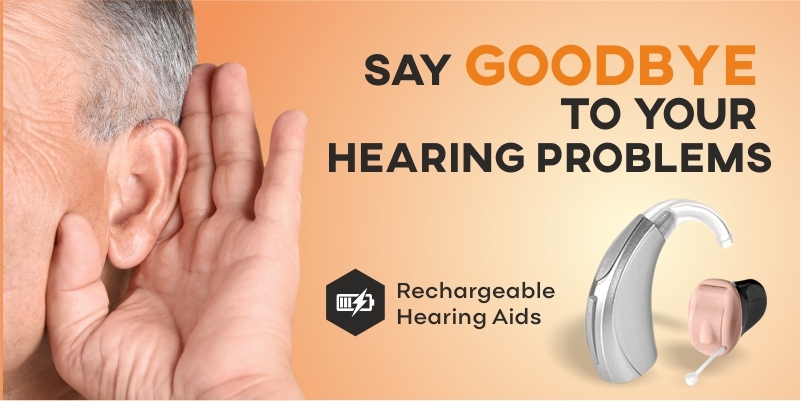
Rechargeable Hearing Aids | HNR Speech and Hearing

What are rechargeable hearing aids?

Rechargeable hearing aids are the newest addition to the hearing healthcare industry. Infact, it is fine to say that these hearing aids were created to simplify your life.

These mini rechargeable digital hearing aids have built in batteries as compared to the traditional disposable batteries do not require removal. All you have to do is dock the pair onto a charging unit.

With advancing technology, you can now opt for nearly invisible in-the-canal rechargeable hearingaids.

Should I buy rechargeable hearing aids for myself?

·         Rechargeable batteries are long lasting and reliable for use. It makes the hearing aid available for you all the time. Most rechargeable hearing aids come with battery power lasting more than a day of power.

·         You’ll not have the hassle of finding a compatible battery. Rechargeable hearing aids comes with lithium ion batteries that can last upto 5 years and can hold a charge for up to a day or even longer upon a single recharge.

·         You can experience unlimited screening with a super quick charging. The expert designed charging case warranties you a quick charge and helps you know the battery status with an LED indicator. The case is sleek yet compact.

·         The reliable battery system helps you stay confident even in your longest days. There is absolutely no worry about running out of battery and getting stuck in an inconvenient situation.

·         Rechargeable hearing aid may look expensive but it will eliminate the cost for new batteries that can really add up in the long run.

·         Rechargeable hearing aids are superior in performance and are ideal for most levels of hearing loss. They come with abundant of features to give you a seamless hearing experience.

·         These hearing aids are compatible with iOS and Android devices and accessories that can help you connect to multitude of other devices like TV, tablet, computer, music system etc.

·         By switching to rechargeable hearing aid, you will also eliminate the hazards disposable batteries can impose. Therefore, it’s time to ditch the disposables and opt for rechargeable hearing aids that are eco-friendly!

With all these advantages, it’s really time to switch to the Latest Bluetooth rechargeable hearing aids.

If you want an expert advice to pick the best Bluetooth rechargeable hearing aids, drop in for a consultation at our center. Our hearing care specialist will help you to pick the best & most suitable style for you. 

Call on the below number to book an appointment with our specialist

040-42018181, +91 8237037087 

Speech Therapy

What exactly do speech therapists do? Speech therapists are trained to deliver various sorts of Speech Therapy to children in order to as...