Showing posts with label bluetooth rechargeable hearing aids. Show all posts

Monday, September 5, 2022

What’s A Safe Listening volume?

The damage to your ear occurs with the louder sound and exposure of the volume to your ears. Usually, the sound is measured in decibel units, like the height is measured in feet or inches. Because sensitive ear lobes and eardrums can’t hear all frequencies, or pitches of sound, the decibel (dB) can be used to explain the sound based on what human ears can hear.

What’s A Safe Listening volume


The safe levels of Sound are at or below 70 dB. The sounds which are above 85dB are most likely to damage your ears over time.

There is a greater risk for hearing damage if anyone is continuously exposed to noise levels above 85 dB over a long period of time.

That’s the sole reason why DJ operators and other staff at concerts wear earplugs to avoid damage while they’re on job.

The kids today use devices which have noise levels much higher than 90dB. The music played through the earphones at the highest volumes 95-110 dB.

Distance from the source

Distance plays an important role as the sound gets louder as you move closer to the sound origin and lighter as you move away from the source. If you are a few meters away from the sound, the risk of damage to your hearing is much lighter. For instance at concerts, for instance, sitting far from the speakers will reduce your risk of damage.

Time

Time also plays an important role in the amount of volume. If you are exposed to loud sounds on a routine basis, your risk for hearing damage increases over time. Even a single but big long-lasting loud event can cause damage to your ears. Sounds which are below 70 dB are usually considered safe and impact for better hearing, even if they last a long time. 

Sound levels are more likely to damage your hearing if they are:


  • 85 dBA - Few hours.
  • 100 dBA - 15 minutes.
  • 110 dBA – immediate or at least 2 minutes

Saturday, April 30, 2022

Child friendly hearing specialists

Hearing ability in children is perhaps the most important thing because of how impactful it will be for the child to develop speech and language skills.

If your child is facing hearing problems, you might get a lot of questions and it is normal to feel obnoxious. Hearing problems in children are commonly seen now and various treatments are available.

An audiologist is a licensed health care professional who is into the diagnosis of hearing loss in adults and children as well.

It is completely okay to run tests to understand your child's hearing profile. It shows whether the child has a hearing loss on one side or both sides.

There are a few kinds of treatments available for hearing loss. The audiologist is the one who finds the best fit treatment for a child considering various factors like age, level of hearing problem, and various other hearing factors.

Along with the audio therapy treatment, parents must also interact regularly with children by amplifying their hearing aid devices with various types of sound and helping them understand their environment. Parents must also follow the prescriptions that audiologists provided and teach the child to lip-read the words and sentences to improve their speech and language skills.

Every child is special, treat your child as normal as he is and visit an audiologist regularly to improve his health profile. 

Call us today to Book Your Slot at


Panjagutta: +91 8237037087


Kukatpally: +91 8237037087

Thursday, January 20, 2022

How to Maintain Your Hearing Aid

If you wear a hearing aid, you must learn to maintain and protect your device. Proper maintenance will not only help it in optimal functioning but also prevent breakdown or repair.

Here are some quick tips to maintain your hearing aid

How to Maintain Your Hearing Aid

1. Cleaning ear wax out of the device

If you wear your hearing aids continuously, chances are that wax can accumulate in them. When the wax is left uncleaned, the receiver part of your device fails to function. Use a wax picking brush to clean the wax out.

2. Keep them in a secure place

To prevent damage to your hearing aids, always keep them in a box and in a secured place. Dropping them off or stepping over them can definitely damage the aid and may require extensive repair.

3. Free from moisture

Firstly, you should check whether your hearing aids are waterproof. A vast majority of hearing aids are not waterproof and require protection from water and moisture. If the device gets wet, it can distort the functionality of the device, hence you should always be careful to not expose your device to water or moisture unless they are waterproof. You must also avoid wearing your device in extreme temperatures ie, freezing cold or scorching hot

4. Avoid cosmetic sprays

Do not use hair spray or perfume when you are wearing your hearing device. These sprays contain chemicals that might damage your hearing device. You can always wear perfume or sprays before you put them on your device. 

5. Cleaning routine

It’s good to establish a care routine to keep your devices in good condition always. When wearing or unplugging your device, wash your hands. When showering or washing your face, remove your hearing aids and keep them aside. Clean your hearing aids every night and let them air out overnight. Also, avoid cleaning them with wipes or alcohol swabs as the chemicals and scents can damage your device.

6. Change batteries

Hearing Aid batteries can corrode when left inside for a long time in a moisture-trapped environment. When your device is not in use, remember to remove the batteries from the device.

Also, clean the battery contacts with a dry cotton swab to remove any dirt particles. If the battery contacts are dirty, they do not conduct properly and result in the low performance of the device.

7. Schedule routine cleaning

Although you might clean your device at home, it's recommended to get it checked by your audiologist once in six months. An expert can spot repair and adjustments more efficiently. Your audiologist can check the effective functioning of the device and make necessary adjustments or repair work to make it function optimally.

Following the right cleaning routine can increase the lifespan of your device. But sometimes, what you may need is an upgrade. If you feel your device is outdated or you have changes in your lifestyle or hearing; go for an upgrade regardless of how well your hearing aids are performing.

Call us today to Book Your Slot at

Panjagutta:  040- 42018181, +91 8237037087

Kukatpally: 04046001577, 7842233819

Friday, October 22, 2021

History Of Hearing Aids Starting From the Hearing Trumpt To the Tiny Device Behind the Ear

History of Hearing Aids Starting From The Ear Trumpet


Origin Of Hearing Trumpet


Usually, Hearing and responding happens via sound which travels from the inner ear. Ear Trumpet is a funnel-shaped device. This helps in collecting the sound waves resulting in strengthening sound energy impact to the eardrum. From the 13th to 18th centuries, people who were somewhat deaf used this Ear trumpet to hear properly. Jean Leurechon, the French Jesuit priest and Mathematician developed the Ear trumpet and began building ear trumpets in the 1810s.


What is An Ear Trumpet Made of?


Ear trumpets are made by using animal horns, hard shells of oysters & snails, silver, wood, and sheet metal. Later it had also been introduced in improvised conical shapes for better hearing.


History Of Hearing Aids


The first leading electric hearing aids were introduced by ‘Miller Reese Hutchison’ in 1898. In the 19th century manufacturing of hearing aids became more popular than ear trumpets. But the electric hearing aids haven’t supported amplifying the sound and are not so portable. 


The use of vacuum-tube hearing aids originated in the year 1920. Transistors were procreated in 1948 which were able to reestablish vacuum tubes and mass-produced several models of small hearing aids.


The invention of multi-channel amplitude compression and microprocessor happened in the 1970s. Later the design of microcomputers and high-speed processors, the 1990s marked the arrival of the first all-Digital hearing aid discovery. From there, hearing aids launched unfold at a pattern and constant.


Types Of Hearing Aids


In the year 2010 Bluetooth enabled Hearing aids came into existence. Then equipped many versions of Hearing Aids. Here are some of the innovations.


Friday, October 1, 2021

How AI-Powered Hearing Aids Can Help You Hear Better?

 What Are AI-Powered Hearing Aids?

In AI-powered hearing aids, AI stands for Artificial Intelligence. Artificial Intelligence is everywhere now; Hearings Aids are no exception. As hearing aids became available in smart designs, there were multiple options to get the ideal one. Monitoring and hearing in a loud and annoying background has become more challenging for people with hearing loss. But the Artificial Intelligence-powered hearing aids give the ultimate never-before experience at your fingertips. Engaging in discussions in crowded and noisy spaces becomes easier.


How Does AI-Powered Hearing Aids Benefit You Hear Great?


The advantages of AI-powered hearing aids are more than we think. 


  • Flexible to easy adjustments, you can mitigate the settings at any place, anywhere and at any time.

  • It was launched with sensors so that the hearing aid can track and monitor your steps, heart rate, and also brain health activity. 

  • It provides a convenient way to hear people who are wearing masks.

  • A single tap AI hearing aids scan the environment and automatically implement modifications to support when required. 

  • Wire free and innovated with the new technology to stream music, tv, phone calls, etc., and many smartphone features.

  • AI-powered hearings are obtainable in many varieties, and you can pick out of your desire and convenience.

  • Reminders, Alarms and Notification settings are enabled. This rechargeable hearing aid reminds you of your priorities, schedules, birthdays, etc.

  • It is emphasized with GPS. You can ask your assistant to show the navigation. 

  • You can use ‘Thrive App’ for a wonderful experience with the music and other apps like Thrive Hearing Control App and Thrive Care App for more options.


Styles with Artificial Intelligence Hearing Aids


The Models available in smart ways are as follows.


These hearing aids are highlighted with smartphone compatibility and are particularly designed for vision and blind versatility. Hearing aid accessories and software differ from one another.

Tuesday, September 14, 2021

What is Single-Sided Hearing Loss?

 What Is Single-Sided Hearing Loss?

In other terms, it is also called unilateral hearing loss or one-sided hearing loss. Single-sided hearing loss is the hearing loss in one ear (can be left or right). It can fluctuate from mild to very severe or profound hearing loss and eventually affects the essence of living.


Elements for Unilateral Hearing Loss


Approximately 3% of school-age kids have this hearing loss. There is no so theoretical or practical evidence that single-sided hearing loss is generated only in children. It can cause in both grown-ups and teenagers. Youngsters with UHL (unilateral hearing loss) have a higher probability of social behavior and academic as well as speech difficulties. 


Unique possibilities for holding one-sided deafness are stated here:


  • Hereditary or family history is one of the major reasons for UHL.

  • Having an abnormal formation or functioning of the outer, middle, or inner ear.

  • By injuries to the head or trauma [Traumatic Brain Injury (TBI)]

  •  Kids with syndromes are inclined to single-sided hearing loss, and generally, 1 in 1000 children are born with this hearing loss.

  • Acoustic neuroma

  • Illness, bacterial or viral infections can be a cause.

  • In some cases, maternal illnesses can also affect babies.


Treatment/Diagnosis for Single-Sided Deafness:


In Common, Unilateral hearing loss can be diagnosed by surgical and non-surgical methods as per the hardness and severity. Normally, it is often treated with the help of Different Types of Hearing Aids or hearing implants (available in advance collections such as Programmable Hearing Aids and Bluetooth Rechargeable Hearing Aids). If the child has unilateral critical sensorineural hearing loss, it is necessary to get cochlear implant surgery.


If you identify a sudden UHL, do not neglect such symptoms, and it is better to consult Hearing Aid Centre and seek medical treatment as soon as possible. Get the advice from the Best Audiologists and manage a regular checkup for a good hearing health.

Tuesday, September 7, 2021

How Weight Gain Impacts Your Hearing?

How does Weight Gain Impact Your Hearing?

According to studies and demonstrations, many people have a common query - is there an impact of hearing loss with weight gain? Well, the answer is yes! Eating healthy and regular exercise can play a vital role in healthy hearing and better hearing supported by a proper weight. 

Obesity And Hearing Loss

"The more the body mass index (BMI), the more danger of hearing loss."

It is said that obesity has a 25% higher occurrence of hearing loss. Weight gain is prone to tinnitus, diabetes, high blood pressure, poor blood circulation, and adult hearing loss. 

Children and Hearing Loss

Children or teenagers with obesity have a double risk of experiencing hearing loss, particularly in one ear. They usually have sensorineural hearing loss. This hearing loss results in damage to delicate hearing cells in the interior ear that conduct sound. Eternally this causes loss in hearing. The common issue students face is that they cannot hear in a loud and disturbing environment in the classroom. 

The problem is kids do not notice that they have hearing loss. If it is recognized late, it will worsen the situation. Audiologists suggest to always keep an eye on your children for such sensitive matters as these issues may affect their mental ability. 

Is There Something You Can Do?

If you identify or are facing hearing loss in your family, there is something you can do. Consult the Hearing Aid Specialist to get better supervision and guidance. Following a proper diet and practicing routine exercise for weight loss could benefit the whole family, if necessary. Simply walking after meals or two hours per day can reduce the 15% chance of excessive weight gain. Hearing Aids can help hearing loss up to a greater extent. You can choose from various hearing aid types such as Audio Service Hearing Aid, Behind the Ear Hearing Aid, Bluetooth Rechargeable Hearing Aids, and so on.

Thursday, August 19, 2021

Features of a Perfect Smartphone for Hearing Aid Users?

Technology and Hearing Aids

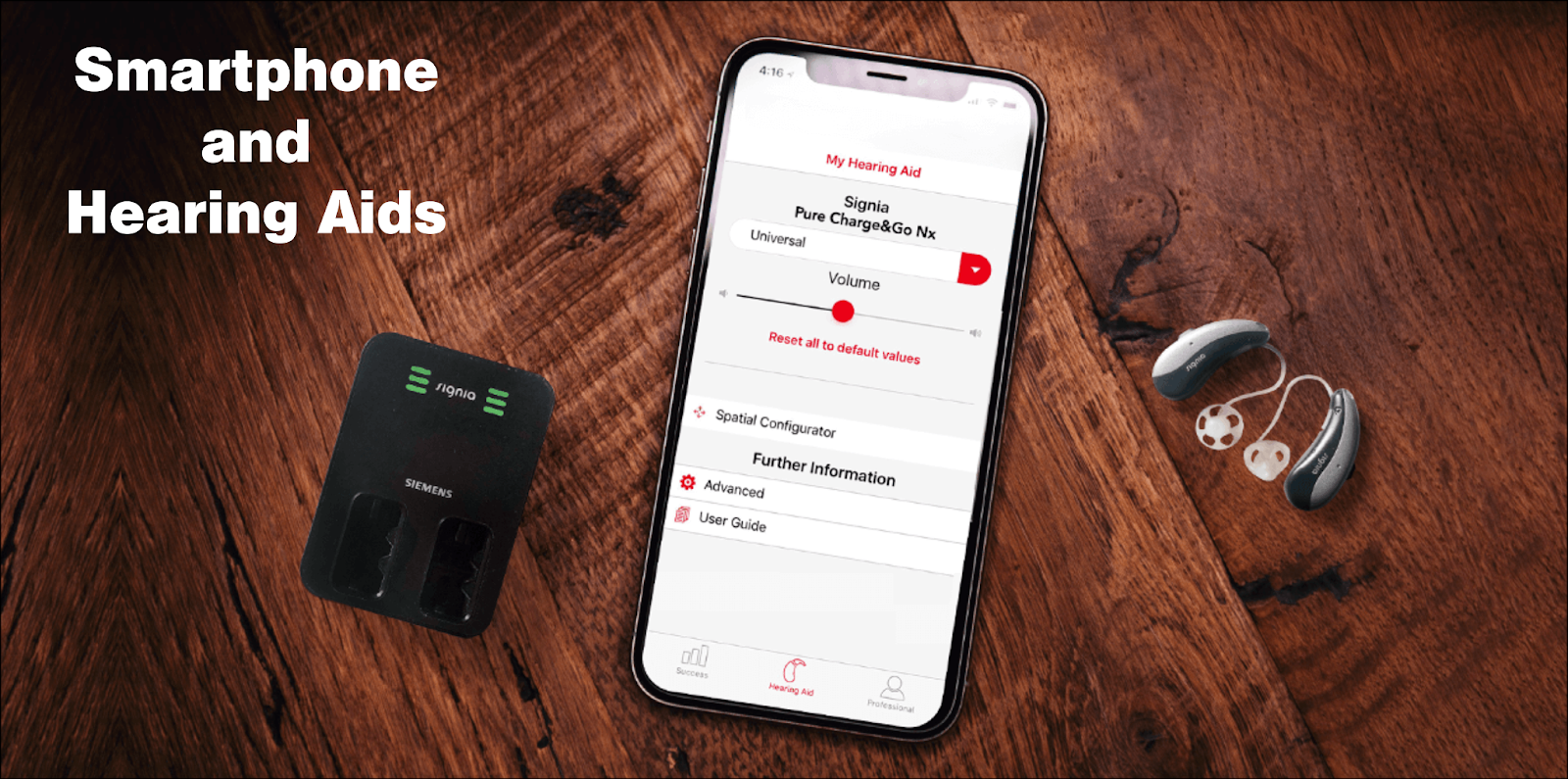
Today's technology is possible in modern variants such as Bluetooth Rechargeable Hearing Aids, Programmable Hearing Aids, Oticon Rechargeable Hearing Aids, and many more. Hearing aids are now smarter than ever making it feasible to pair hearing aids with smart phones. Both android and iPhone emphasize unimaginable advantages.


Android and iPhone Features for Hearing Aid Users


The best benefit of Digital Hearing Aids is that there is no need to hesitate to discuss via phone. Listed below are some advanced elements that you can do with your smartphone connected hearing aids.


  • You can run calls from your smartphone to your hearing aids. Also, attach to hearing aid apps so that adjusting your sound settings is pretty easy.

  • In simple terms, iPhone enables mobile operating systems to be readily available with

  • All-in-one accessibility features. IOS wireless pairing supports the user to check the battery life, volume settings, etc.

  • When you lost the device, you can use the 'Thrive Mobile App' to locate misplaced hearing aids. The map in the app shows the last location connected to the phone.

  • Voice assistant' benefits more than we imagine. You can assign your assistant with 'hey Siri or 'hey google' and ask the questions like your settings, weather forecast, news, and whatever you want to hear. The response with the combination of paired aids and voice assistant is amazing.

  • Smartphone-paired aids features with language translation. So, it is quite easy and highly helpful while traveling.

  • The other smartest thing with this technology is notifications! You can set the reminders and hear at your convenience on daily, weekly, or monthly bases.

  • Get streamed with the audio, music, tv shows, etc., directly with your paired Hearing Aids.

  • Just like a smart watch or fitness tracker, this small gadget will calculate your steps, exercise & calories, how much time you stood up, and can track the brain-stimulating.


For additional settings, repairs or fitting issues, visit the Hearing Aid Services. Remember that regular cleaning and taking good care of hearing aids can prolong the battery life.

Monday, August 9, 2021

Does A Healthy Diet Lower The Risk Of Hearing Loss?

In brief, yes! A healthy diet can lessen the hearing loss. Your eating habits will perform an active role in healthy living and how great you hear, especially when growing old. A poor quality diet will quickly affect internal ear health, which is responsible for your hearing and fight against infections.


Nutrition, Minerals & Vitamins Functions In Diet:


Fresh food always improves our Hearing & well-being. Vitamins, minerals, a proper nutritious diet will benefit in defending the hearing loss.


Here are some important factors that serve in shielding our Hearing.


  • Fruits

  • Leafy Vegetables

  • Nuts & seeds

  • Meat, fish & poultry

  • Low fat or fat-free dairy products

  • Less oily food

  • Limited sugar and sodium

  • Whole grains


Zinc: Zinc helps in defending against infection and immunity. Red meat, oysters, oatmeal, mushrooms, lintels, cashews, almonds, other nuts, and seeds are rich in zinc.


Omega-3s: Omega-3 fatty acids can work to delay or prevent age-related hearing loss. Seafood, fish, walnuts, flax seeds, sprouts, milk, eggs, chia seeds, etc., are high in omega. 


Magnesium: Magnesium assists the hair cells in the inner ear during exposure to loud noises. Dark chocolate, beans, whole grains, leafy vegetables, fruits, nuts, spinach, legumes, kale, etc., are good sources of magnesium.


Potassium: Potassium controls the fluid levels in the ear. Potatoes, bananas, apricot, coconut, meat, beans, citrus fruits, beet greens, dates, etc., contain high potassium.

Folic Acid: Taking adequate folate in your diet can help counter hearing loss. Lemons, peanuts, sunflower seeds, broccoli, readymade breakfast cereals, etc., are huge in folic acid.


In the fight to keep your ear fit, nutrition and minerals are essential for boosting immunity.


Additional Solutions For Hearing Loss:


Diet alone neither heals nor stops hearing loss. Food impacts reducing or avoiding it to an extent. It is always better to visit Speech and Hearing Clinic if you or your loved one suffers from hearing loss. Get the best audiologist guidance and get diagnosed with the Best Digital Hearing Aids. Moreover, you can prefer Bluetooth Rechargeable Hearing Aids for smart living. Don't neglect the hearing problems, even if it is a small one.

Friday, March 26, 2021

Rechargeable Hearing Aids | HNR Speech and Hearing

What are rechargeable hearing aids?

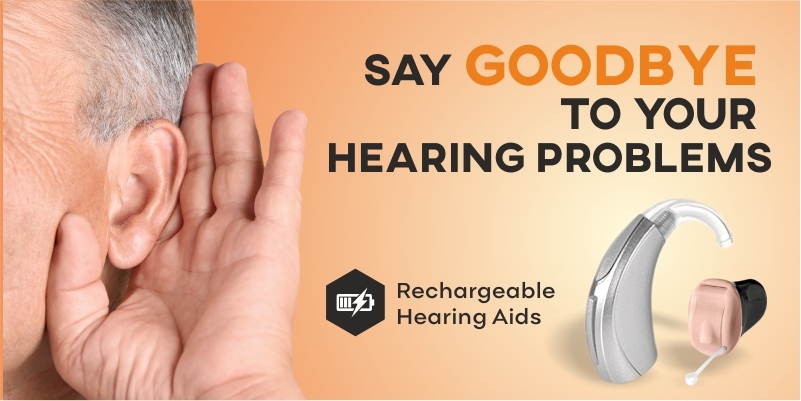
Rechargeable hearing aids are the newest addition to the hearing healthcare industry. Infact, it is fine to say that these hearing aids were created to simplify your life.

These mini rechargeable digital hearing aids have built in batteries as compared to the traditional disposable batteries do not require removal. All you have to do is dock the pair onto a charging unit.

With advancing technology, you can now opt for nearly invisible in-the-canal rechargeable hearingaids.

Should I buy rechargeable hearing aids for myself?

·         Rechargeable batteries are long lasting and reliable for use. It makes the hearing aid available for you all the time. Most rechargeable hearing aids come with battery power lasting more than a day of power.

·         You’ll not have the hassle of finding a compatible battery. Rechargeable hearing aids comes with lithium ion batteries that can last upto 5 years and can hold a charge for up to a day or even longer upon a single recharge.

·         You can experience unlimited screening with a super quick charging. The expert designed charging case warranties you a quick charge and helps you know the battery status with an LED indicator. The case is sleek yet compact.

·         The reliable battery system helps you stay confident even in your longest days. There is absolutely no worry about running out of battery and getting stuck in an inconvenient situation.

·         Rechargeable hearing aid may look expensive but it will eliminate the cost for new batteries that can really add up in the long run.

·         Rechargeable hearing aids are superior in performance and are ideal for most levels of hearing loss. They come with abundant of features to give you a seamless hearing experience.

·         These hearing aids are compatible with iOS and Android devices and accessories that can help you connect to multitude of other devices like TV, tablet, computer, music system etc.

·         By switching to rechargeable hearing aid, you will also eliminate the hazards disposable batteries can impose. Therefore, it’s time to ditch the disposables and opt for rechargeable hearing aids that are eco-friendly!

With all these advantages, it’s really time to switch to the Latest Bluetooth rechargeable hearing aids.

If you want an expert advice to pick the best Bluetooth rechargeable hearing aids, drop in for a consultation at our center. Our hearing care specialist will help you to pick the best & most suitable style for you. 

Call on the below number to book an appointment with our specialist

040-42018181, +91 8237037087 

Speech Therapy

What exactly do speech therapists do? Speech therapists are trained to deliver various sorts of Speech Therapy to children in order to as...