Monday, October 18, 2021

Are Hearing Loss and Dementia Connected?

Dementia - Causes & Symptoms

Dementia is somewhat similar to memory loss. It is not a single ailment; characterized as impotence to make a decision. People often consider that remembering, analyzing, problem-solving, and decision-making is highly tough to handle. "Alzheimer's" condition is the most popular type of Dementia.


The most prevalent reason for Dementia is the destruction of brain cells. This damage switches communicating with the other nerves and affects normal behavior & thinking. Some of the reasons for Dementia are as follows.


  • Medication & drugs usage

  • Excess alcohol

  • Vitamin & mineral insufficiencies

  • Depression

  • Thyroid difficulties


Persons with Dementia might face the below symptoms


  • Cognitive changes

  • Psychological changes

  • Anxiety

  • Agitation

  • Hallucinations


Are Hearing Loss and Dementia Connected?


Hearing loss and Dementia are inter-connected. If sound travels from ear’s soft tissues in the inner ear, the brain cells may get attacked which may cause severe damage. It alters in thinking stages and the brain structure. People with untreated hearing loss detach themselves from the public discussion, mental abilities, emotional weaknesses, experience loneliness and eventually go through depression. Ultimately, it is more likely to have a high risk of Dementia due to these rapid changes in remembering.


When to Visit a Hearing Aid Doctor?


Age-related hearing loss and Alzheimer's disease are interlinked. If you or your loved one is experiences a hearing issue, immediately schedule the Best Audiologists appointment.


How Far Can Hearing Aids Help Dementia?


Numerous studies proved that hearing aids reduce hearing loss problems and works in enhancing the quality of life. Healthy hearing inclines to participation without any hesitation. Hearing Aids can mitigate mental health disabilities by up to 80%. Different Types of Hearing Aids are available now in the smart options such as Programmable Hearing Aids, Rechargeable in the Ear Hearing Aids, Behind the Ear Hearing Aid, Completely in the Canal Hearing Aid, and more.

Saturday, October 9, 2021

Can Hearing Loss Cause Dizziness

Dizziness & Its Causes

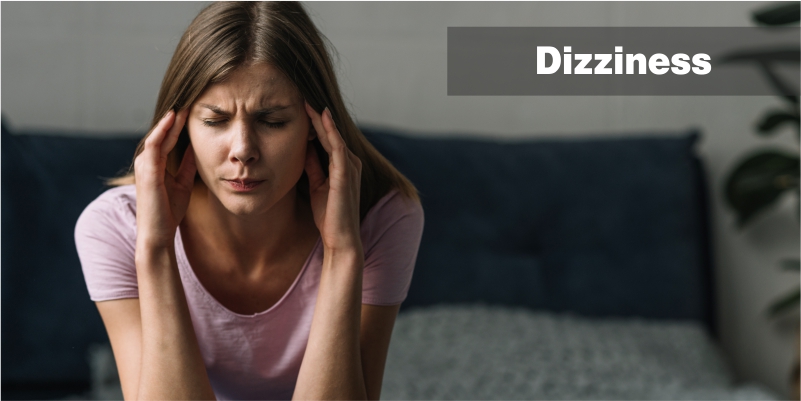
Dizziness is a symptom and characterized or caused by various diseases. It is described as a series of responses such as fainting, vulnerability, unsteady, and sometimes the feeling of spinning or lightheadedness. It affects the sense organs like ears and eyes.


The chief cause is the point in the internal ear where the proper measure is formulated, and some more general reasons for the problems of dizziness are below.


  • An impediment in the inner ear

  • ear infection or ear injuries

  • Alcohol consumption is more than usual

  • Medications or drug usage regularly

  • Migraine

  • motion sickness

  • an unexpected drop in blood pressure

  • anxiety disorders


Can Hearing Loss Result Dizziness


People with hearing loss often notice indications of Vertigo which is very similar to dizziness. However, Vertigo and hearing loss or other disorders don't linger together but attack all of a sudden. The stability system relies on bone, thin membranes, and tissue in the inner ear. So it results in fluctuations and balance problems as well. 


Ménierè's Disease & Inner Ear


Ménierè's Disease is a condition that consequences the vestibular system (which plays a vital role in the sense of balance) and mostly the inner ear. This outcome is the build of fluid, pain and pressure due to the filling in affected area ultimately leading to hearing loss.


When Should I Seek Hearing Care Professionals Appointment


Always consult the Best Audiologists if you notice any symptoms like sudden hearing loss, severe headache, fainting, chest pain, sickness, rapid heartbeat, ear pain, chest pain, and double eyesight. Normally, any hearing loss can be treated with Different Types of Hearing Aids.  Surgery is required only for the cochlea when it got affected by any disease. Also, visit HNR Speech and Hearing if hearing loss becomes or triggers worse. It is linked to brain injuries or trauma. Untreated hearing loss leads to profound and perpetual Vertigo and better to endeavor emergency medical care.

Monday, October 4, 2021

Why it’s so Important Your Hearing Aids are Brain-Friendly?

Brain And Untreated Hearing Loss

According to studies, If you hold your hearing loss untreated, the auditory parts of the brain will get reallocated to other functions. Usually, sound passes from the inner ear as an electrical impulse via the auditory nerve. Hearing loss, even though it is lesser, leads to reassigning functions of the brain. So the brain commands according to vision rather than hearing for a person with hearing loss.


Is auditory deprivation permanent?


In some cases, hearing loss affects the brain nerves and cells and leads to infections, injuries or diseases. Hearing professionals represent this problem as ‘cerebral atrophy’ in medical terminology. This auditory deprivation cannot be long-lasting as it depends on individual care taken once they notice the hearing loss and can be used among Different types of hearing aids.


Which Hearing Aids Fit Brain Associated Hearing Loss


Asking the Hearing Aid specialist is the first thing you must do to know the status of your ear and brain. The appropriate hearing aids for hearing loss, brain damage, infections, or injuries are Oticon Rechargeable Hearing Aids. 


Oticon Hearing Aids


It is resilient and able to contribute solutions for all age types and lifestyles. Precocious hearing aids are now manufactured with brain hearing technology designed to help your brain’s overall process of originating a sense of sound. 


Why is it so important that your hearing aids are brain-friendly?


First things first, hearing aids can reduce the strain on your brain as it stimulates brain activity. The Top Hearing Aids can help your brain to hear sounds loud and remember as well. Untreated hearing loss leads to memory weakening and affects the quality of life. Picking up the subtle Hearing Aids help balancing neurons and stimulation of the auditory cortex (other parts of the brain). Keep regular counselling with your audiologist and wear a customized Bluetooth Rechargeable Hearing Aid. Follow prescribed medication & suggestions lower the risk of brain damage.

Friday, October 1, 2021

How AI-Powered Hearing Aids Can Help You Hear Better?

 What Are AI-Powered Hearing Aids?

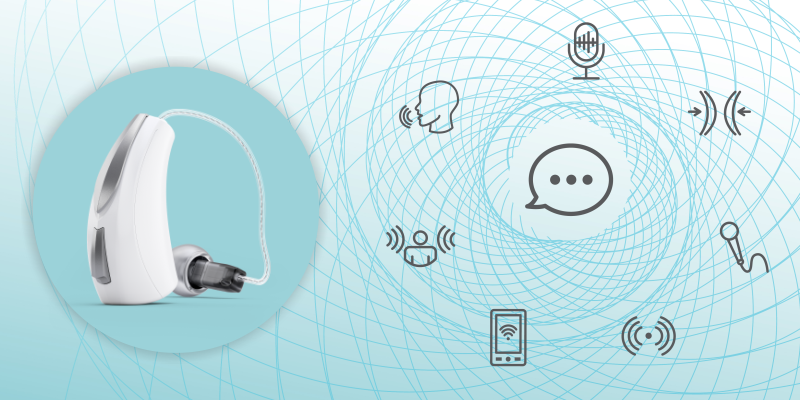
In AI-powered hearing aids, AI stands for Artificial Intelligence. Artificial Intelligence is everywhere now; Hearings Aids are no exception. As hearing aids became available in smart designs, there were multiple options to get the ideal one. Monitoring and hearing in a loud and annoying background has become more challenging for people with hearing loss. But the Artificial Intelligence-powered hearing aids give the ultimate never-before experience at your fingertips. Engaging in discussions in crowded and noisy spaces becomes easier.


How Does AI-Powered Hearing Aids Benefit You Hear Great?


The advantages of AI-powered hearing aids are more than we think. 


  • Flexible to easy adjustments, you can mitigate the settings at any place, anywhere and at any time.

  • It was launched with sensors so that the hearing aid can track and monitor your steps, heart rate, and also brain health activity. 

  • It provides a convenient way to hear people who are wearing masks.

  • A single tap AI hearing aids scan the environment and automatically implement modifications to support when required. 

  • Wire free and innovated with the new technology to stream music, tv, phone calls, etc., and many smartphone features.

  • AI-powered hearings are obtainable in many varieties, and you can pick out of your desire and convenience.

  • Reminders, Alarms and Notification settings are enabled. This rechargeable hearing aid reminds you of your priorities, schedules, birthdays, etc.

  • It is emphasized with GPS. You can ask your assistant to show the navigation. 

  • You can use ‘Thrive App’ for a wonderful experience with the music and other apps like Thrive Hearing Control App and Thrive Care App for more options.


Styles with Artificial Intelligence Hearing Aids


The Models available in smart ways are as follows.


These hearing aids are highlighted with smartphone compatibility and are particularly designed for vision and blind versatility. Hearing aid accessories and software differ from one another.

Wednesday, September 22, 2021

How Treating Hearing Loss Helps Your Mental Health?

Does Hearing Impairment Have Connection To Mental Health?

According to advanced studies, hearing loss can make people mentally weak and affect their self-esteem and the inability to hear sounds. We can perceive many differences in both children and adults once they accept suffering from hearing loss, and it seems hard to address or communicate with others.

Persons with hearing loss often cannot engage in discussions, festivities, and social communication. They feel embarrassed to ask others to repeat and give inappropriate answers. They drop connections and can't follow what people are speaking about. In some cases, people with severe hearing loss assume that others are observing or murmuring about them.

What Happens If Hearing Loss Is Untreated?

Untreated hearing loss leads to anxiety, anger, fatigue, social withdrawal, self-isolation, denial and eternally depression. In some cases, neglecting hearing loss may lead to brain tumours and diseases as some head nerves and ear tissues are connected. 

Psychological perspectives of hearing loss: 

Brian Wind says, "Hearing impairments negatively impact both professional and personal life." 

The disappointment of not hearing makes people frustrated, depressed, and they will start social withdrawal.

Also, we can see persons with hearing loss avoid phone calls as they feel muffled and group discussions

and talking. They deprive themselves of connecting with family, friends, or loved ones and ignore going out,

especially in a noisy environment. Furthermore, people will try to stay detached and become less enjoyable.

How Can Hearing Loss Treatment Fix Your Mental Health?

Handling hearing loss can easily relieve a person from an emotional breakdown. Visit the Speech and Hearing Clinic and take guidance from the best hearing care professionals for the diagnosis. Hearing loss is treated with different types of hearing aids up to a maximum extent; unless it is profoundly severe hearing loss, it does not require a cochlear implant surgery. It can decrease the risk of depression and lower the levels of dementia. With hearing aid, people feel independent, experience more effective relationships with their families, and enhance well-being, overall health & quality of life.

Tuesday, September 14, 2021

What is Single-Sided Hearing Loss?

 What Is Single-Sided Hearing Loss?

In other terms, it is also called unilateral hearing loss or one-sided hearing loss. Single-sided hearing loss is the hearing loss in one ear (can be left or right). It can fluctuate from mild to very severe or profound hearing loss and eventually affects the essence of living.


Elements for Unilateral Hearing Loss


Approximately 3% of school-age kids have this hearing loss. There is no so theoretical or practical evidence that single-sided hearing loss is generated only in children. It can cause in both grown-ups and teenagers. Youngsters with UHL (unilateral hearing loss) have a higher probability of social behavior and academic as well as speech difficulties. 


Unique possibilities for holding one-sided deafness are stated here:


  • Hereditary or family history is one of the major reasons for UHL.

  • Having an abnormal formation or functioning of the outer, middle, or inner ear.

  • By injuries to the head or trauma [Traumatic Brain Injury (TBI)]

  •  Kids with syndromes are inclined to single-sided hearing loss, and generally, 1 in 1000 children are born with this hearing loss.

  • Acoustic neuroma

  • Illness, bacterial or viral infections can be a cause.

  • In some cases, maternal illnesses can also affect babies.


Treatment/Diagnosis for Single-Sided Deafness:


In Common, Unilateral hearing loss can be diagnosed by surgical and non-surgical methods as per the hardness and severity. Normally, it is often treated with the help of Different Types of Hearing Aids or hearing implants (available in advance collections such as Programmable Hearing Aids and Bluetooth Rechargeable Hearing Aids). If the child has unilateral critical sensorineural hearing loss, it is necessary to get cochlear implant surgery.


If you identify a sudden UHL, do not neglect such symptoms, and it is better to consult Hearing Aid Centre and seek medical treatment as soon as possible. Get the advice from the Best Audiologists and manage a regular checkup for a good hearing health.

Tuesday, September 7, 2021

How Weight Gain Impacts Your Hearing?

How does Weight Gain Impact Your Hearing?

According to studies and demonstrations, many people have a common query - is there an impact of hearing loss with weight gain? Well, the answer is yes! Eating healthy and regular exercise can play a vital role in healthy hearing and better hearing supported by a proper weight. 

Obesity And Hearing Loss

"The more the body mass index (BMI), the more danger of hearing loss."

It is said that obesity has a 25% higher occurrence of hearing loss. Weight gain is prone to tinnitus, diabetes, high blood pressure, poor blood circulation, and adult hearing loss. 

Children and Hearing Loss

Children or teenagers with obesity have a double risk of experiencing hearing loss, particularly in one ear. They usually have sensorineural hearing loss. This hearing loss results in damage to delicate hearing cells in the interior ear that conduct sound. Eternally this causes loss in hearing. The common issue students face is that they cannot hear in a loud and disturbing environment in the classroom. 

The problem is kids do not notice that they have hearing loss. If it is recognized late, it will worsen the situation. Audiologists suggest to always keep an eye on your children for such sensitive matters as these issues may affect their mental ability. 

Is There Something You Can Do?

If you identify or are facing hearing loss in your family, there is something you can do. Consult the Hearing Aid Specialist to get better supervision and guidance. Following a proper diet and practicing routine exercise for weight loss could benefit the whole family, if necessary. Simply walking after meals or two hours per day can reduce the 15% chance of excessive weight gain. Hearing Aids can help hearing loss up to a greater extent. You can choose from various hearing aid types such as Audio Service Hearing Aid, Behind the Ear Hearing Aid, Bluetooth Rechargeable Hearing Aids, and so on.

Speech Therapy

What exactly do speech therapists do? Speech therapists are trained to deliver various sorts of Speech Therapy to children in order to as...